Is USDC Safe to Accept as Payment? What Businesses Should Check
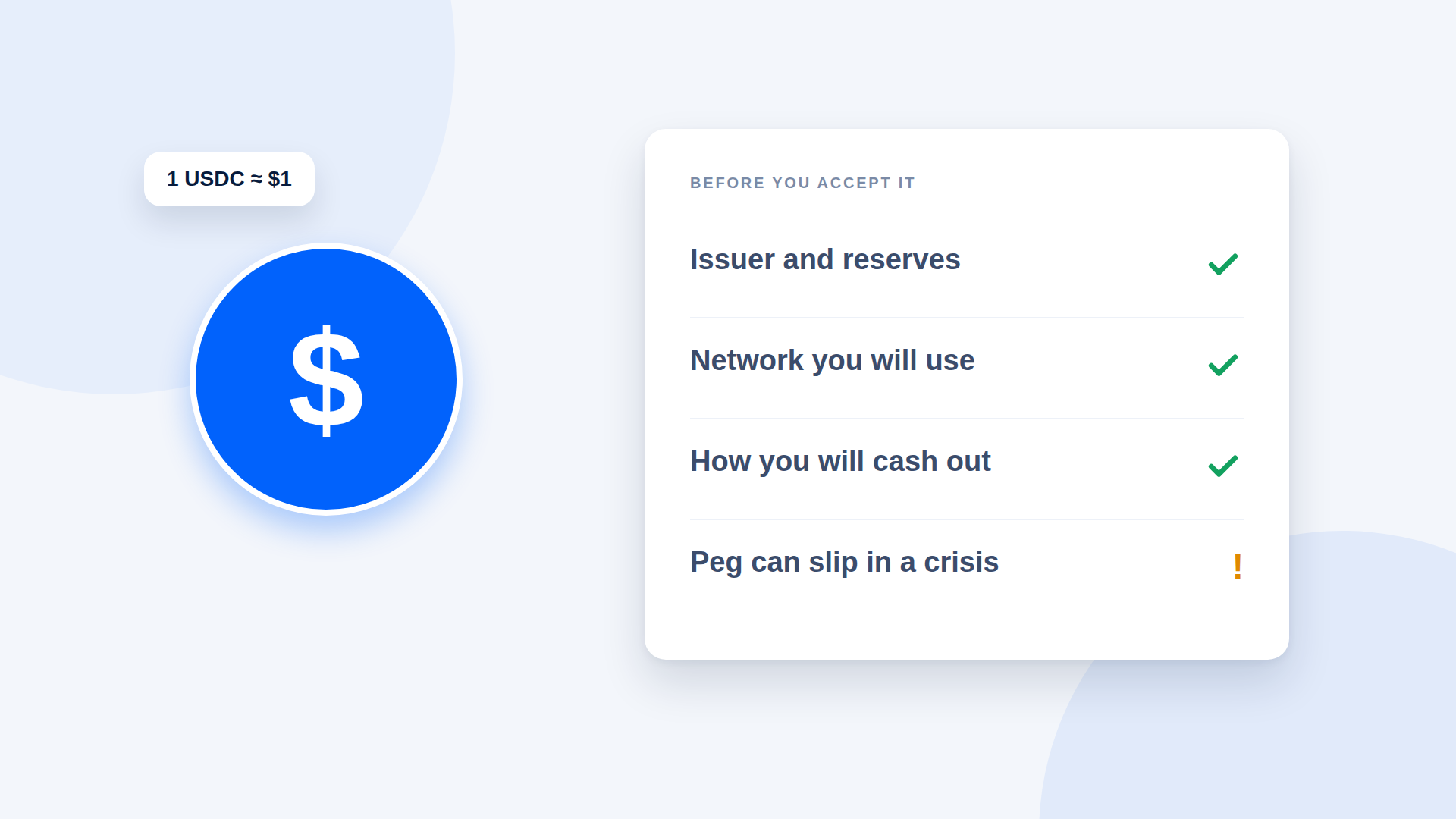
USDC is designed to be worth one US dollar, and it has generally held that value, but "safe" depends on which risk you mean. It is not a bank deposit, it is not insured the way a bank account may be, and it has briefly traded below one dollar before. Accepting it is a reasonable choice for many businesses, provided you understand what you are relying on.
What USDC is
USDC is a stablecoin issued by a company called Circle. Each token is meant to be redeemable for one US dollar, and the issuer says it holds reserves to support that. USDC exists on multiple blockchains, including Solana. The token on one network is a separate representation from the token on another, which is why the network always matters when you take a payment.
The risks that are real
Peg risk
A stablecoin's value depends on confidence in its reserves. In March 2023, USDC briefly dropped below one dollar after its issuer disclosed that part of its reserves was held at a bank that failed. It recovered, but the episode shows that the peg is a design goal, not a law of nature.
Issuer and regulatory risk
You are relying on a company and on the rules that apply to it. Rules for stablecoins differ between countries and continue to change. The issuer can also freeze specific addresses in some circumstances, such as when asked by authorities.
Network risk
If you accept USDC on Solana, you depend on Solana working. Network outages and congestion are uncommon but possible, and they can delay a payment.
Mistake risk
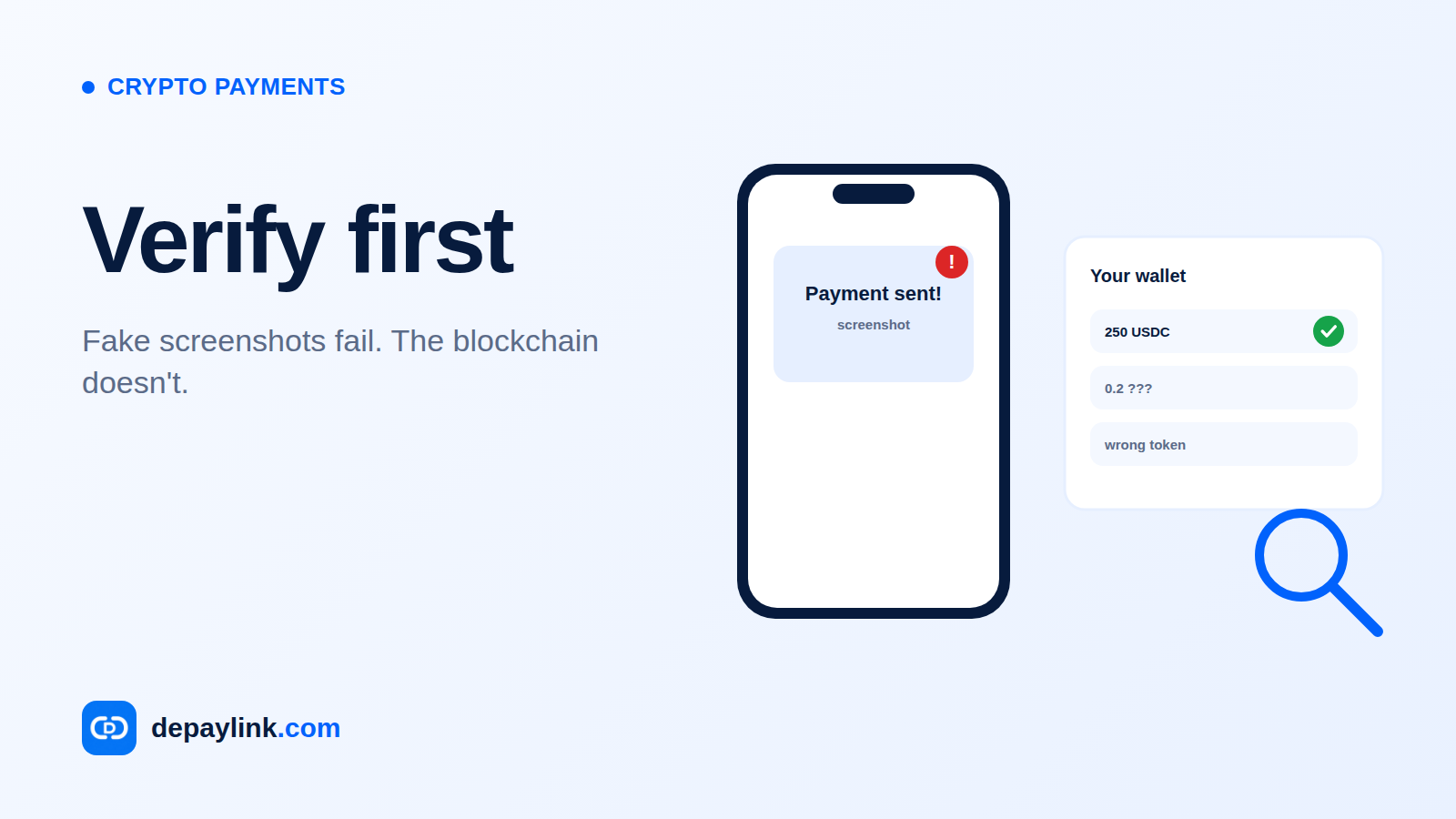
Most real-world losses are operational: the wrong network, a mistyped address, a fake token with a similar name, or a leaked recovery phrase. These are far more common than a peg failure.
Cash-out risk
Holding USDC is easy. Turning it into local money depends on exchanges and services that support your country and your bank. If your route disappears, the USDC is still there, but it is harder to spend.
A checklist before you accept USDC
Read the issuer's own materials on reserves and redemption, not a third party's summary.
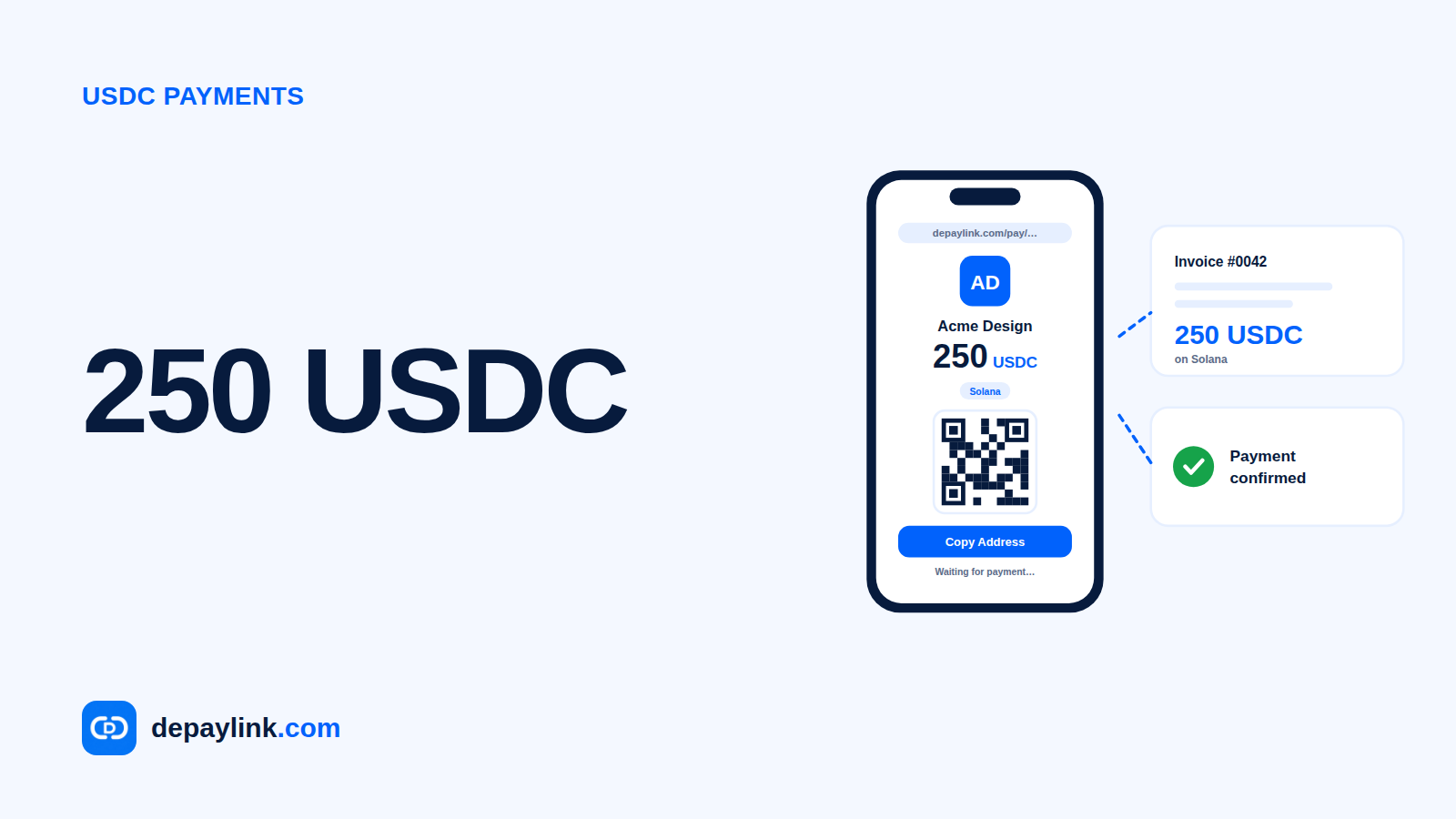
Pick one network and state it on every invoice, for example "USDC on Solana".
Confirm your cash-out route works for your country and bank before you rely on it.
Decide how long you will hold it. If you need local currency soon, convert soon.
Check amount, asset and destination on every payment, so a lookalike token does not pass as the real one.
Secure your wallet. Keep the recovery phrase offline and never share it.
Check local rules. Tax and reporting treatment varies. Ask a local accountant.
USDC compared with other things you might receive
USDC | SOL | Bank transfer | |
|---|---|---|---|
Designed to track USD | Yes | No | Yes (in your account's currency) |
Price can swing sharply | Not by design | Yes | No |
Needs a wallet | Yes | Yes | No |
Insured deposit | No | No | Often, depending on country and bank |
How to reduce your exposure
Convert part or all of each payment to local currency on a schedule that suits you.
Keep only what you need to spend in the wallet you use for daily payments.
Use a non-custodial payment tool so no third party holds your funds between the customer and you.
Where depaylink fits
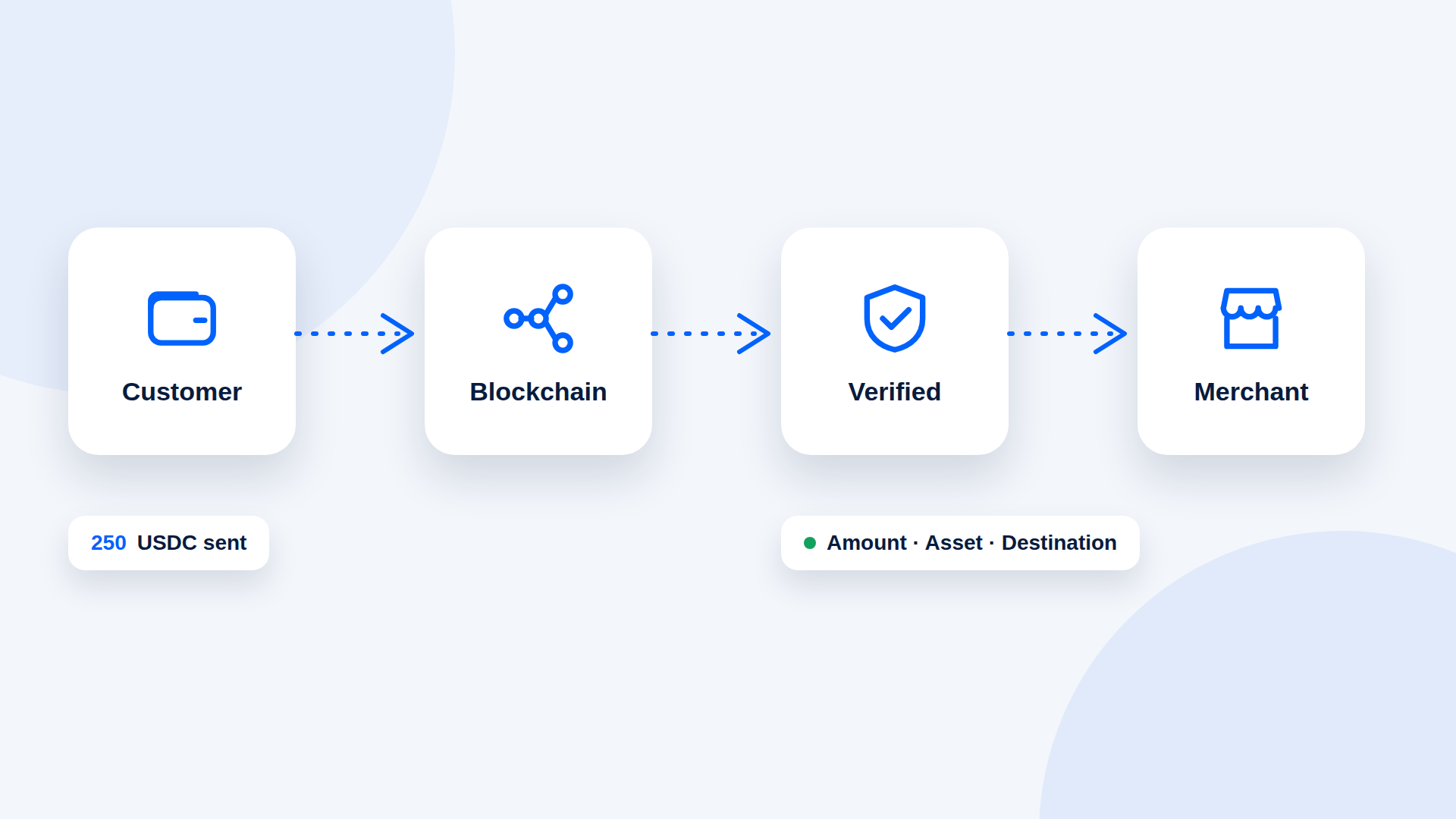
depaylink accepts SOL and USDC on Solana and sends payments directly from the customer's wallet to yours. It checks the transaction on-chain, comparing amount, asset and destination, which helps catch the wrong token or the wrong amount. It does not remove stablecoin risk, and nothing in this article is financial advice.
FAQ
Is USDC the same as a US dollar? It is designed to be redeemable one-for-one, but it is a token issued by a company, not legal tender in your wallet.
Can USDC be frozen? The issuer can freeze addresses in some situations. Check the issuer's current policies.
Is USDC safer than SOL for payments? USDC is designed to hold a steady dollar value, which makes it more predictable for pricing. That is a different thing from being risk-free. See the USDC vs SOL comparison for more.
What happens if USDC loses its peg after I am paid? The value of what you hold changes. That is why many businesses convert to local currency soon after receiving payment.
How Crypto Payments Work: From Customer Wallet to Your WalletUSDC Payments Explained: How to Send, Receive and Verify USDCWhat Are Crypto Payments and How Do They Work?Crypto Payment Scams: How to Avoid Fake Payments and Fake ConfirmationsHow to Accept Crypto Payments for Your Business